Seeking Facial Plastics and Reconstructive Surgery Care?
MOHS Reconstruction
MOHS Reconstruction at Deot Facial Plastic Surgery in Los Angeles, California
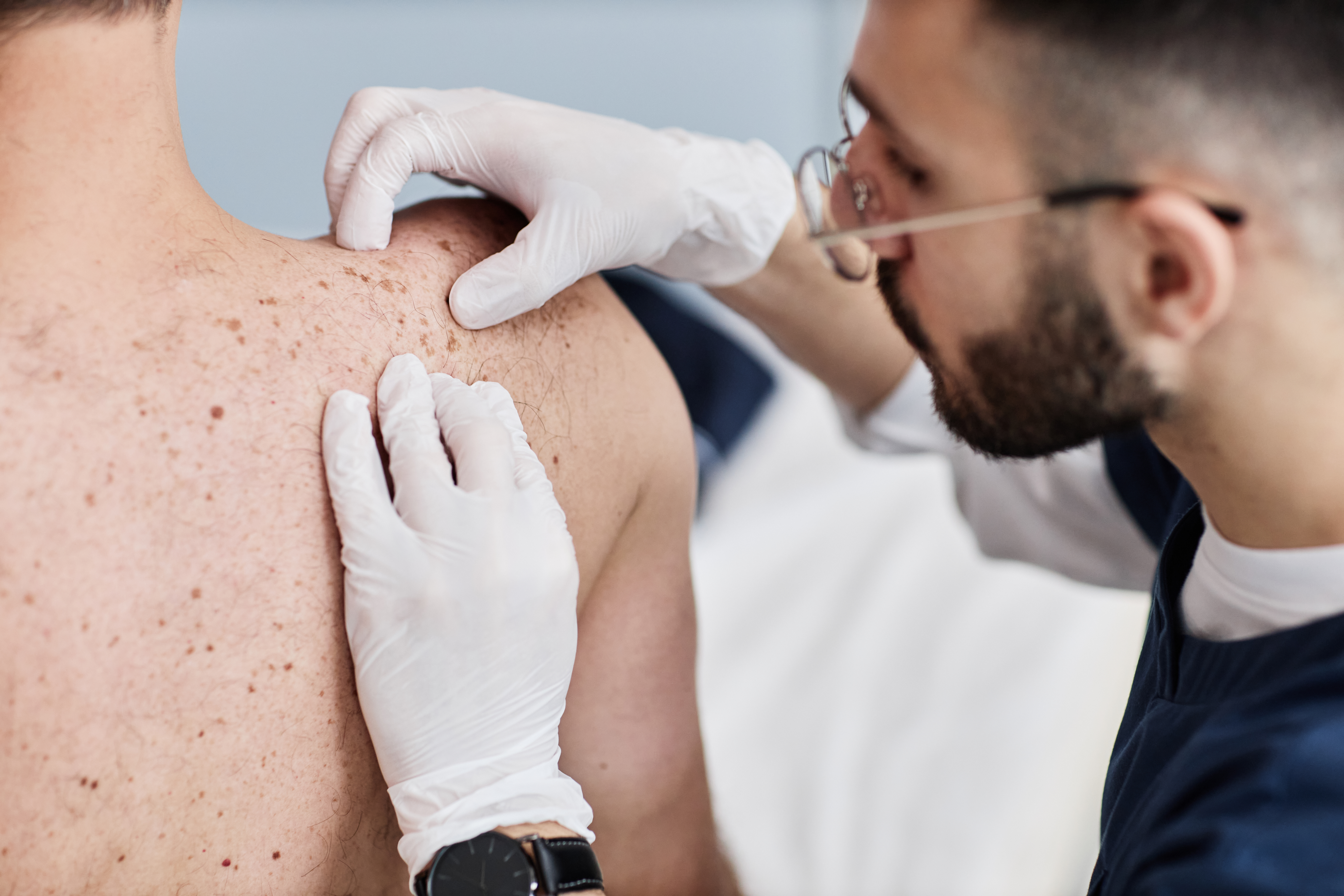
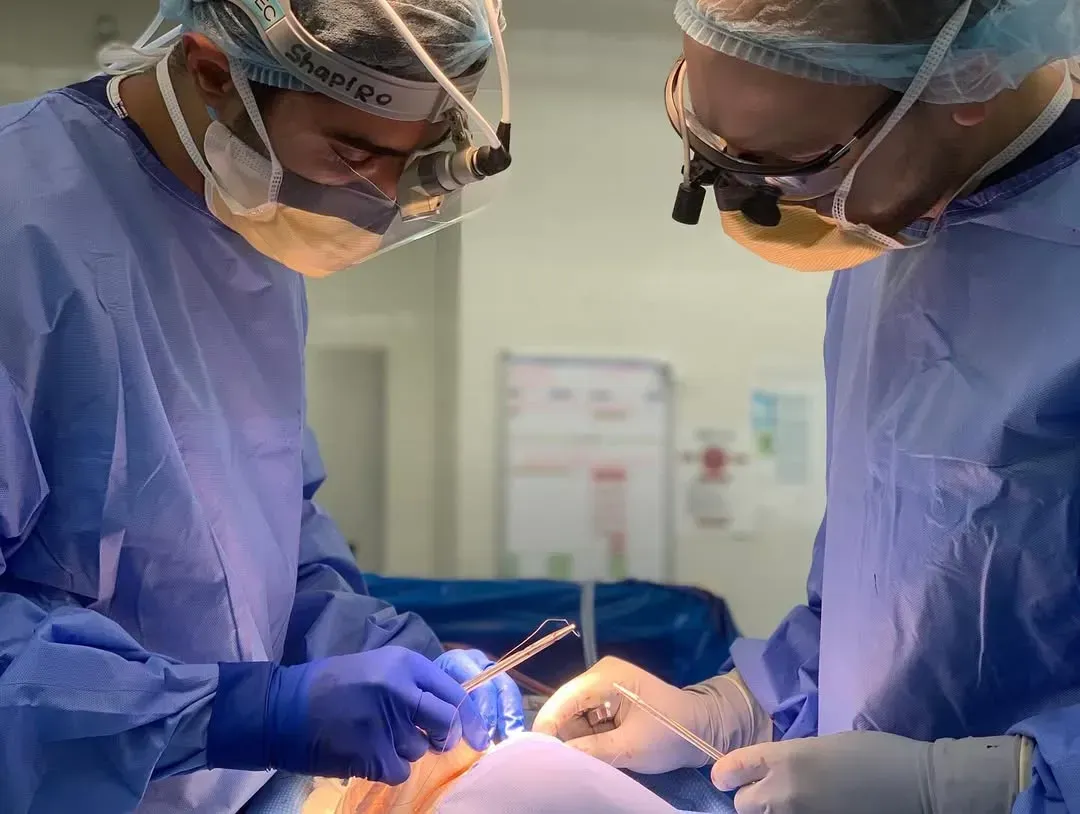
MOHS reconstruction is a type of facial reconstructive surgery performed after skin cancer removal using Mohs micrographic surgery. When skin cancer is removed, especially on visible areas like the face, nose, eyelids, lips, or ears, it can leave behind an open wound or defect that may affect both appearance and function.
At Doctor Deot Facial Plastic Surgery, MOHS reconstruction is offered as part of a patient-centered facial plastic and reconstructive care approach in Los Angeles, California.
Many patients seek reconstructive facial care in Los Angeles due to access to specialized facial plastic surgeons who focus on restoring both form and function. Patients from nearby communities such as Beverly Hills, Santa Monica, Pasadena, and Glendale often visit the practice for reconstruction after skin cancer removal, especially when delicate facial structures are involved.
What Is MOHS Reconstruction?
MOHS reconstruction is a surgical procedure that repairs and restores areas of the face after skin cancer has been removed using Mohs surgery. The goal is to close the wound while preserving natural appearance, facial function, and symmetry.
In simple terms, after cancer is removed layer by layer, reconstruction helps rebuild the skin and underlying structures so the area can heal properly and look as natural as possible. Medical literature shows that reconstruction following Mohs surgery is essential for optimal cosmetic and functional outcomes, especially in facial regions [1].
Doctor Deot Facial Plastic Surgery offers MOHS reconstruction as part of a comprehensive facial reconstructive care program tailored to each patient’s needs and the size and location of the surgical defect.
Who May Need MOHS Reconstruction?
MOHS reconstruction is typically needed after Mohs surgery for skin cancer removal on the face or other visible areas. The extent of reconstruction depends on the size, depth, and location of the surgical site.
You may need MOHS reconstruction if you have:
- Skin cancer removal on the face, nose, eyelids, lips, or ears
- A surgical defect that requires closure or tissue repair
- Loss of skin, cartilage, or soft tissue after Mohs surgery
- Need for functional restoration (such as eyelid or nasal support)
- Desire for improved cosmetic outcome after cancer removal
Clinical studies emphasize that facial reconstruction after Mohs surgery is important not only for appearance but also for preserving essential functions such as breathing, vision, and oral competence [2].
What Areas of the Face Can Be Reconstructed After MOHS Surgery?
MOHS reconstruction can be performed on many areas of the face where skin cancer is commonly treated. Each reconstruction is carefully planned based on the location and depth of tissue removal.
Common reconstruction areas include:
- Nose (nasal reconstruction)
- Eyelids (upper and lower eyelid repair)
- Lips and perioral region
- Cheeks and forehead
- Ears (auricular reconstruction)
- Scalp and hair-bearing areas
Research shows that facial reconstruction after Mohs surgery often requires specialized techniques to maintain both function and aesthetic appearance, especially in cosmetically sensitive areas [3].
How Is MOHS Reconstruction Performed?
MOHS reconstruction is not a single technique but a customized surgical plan based on the type of defect left after cancer removal. The approach depends on the size, location, and complexity of the area being repaired.
Common reconstruction methods include:
- Primary closure (direct suturing of the wound)
- Skin flaps (repositioning nearby tissue)
- Skin grafts (using skin from another area)
- Cartilage support reconstruction (for nose or ear structure)
- Layered repair for deeper tissue defects
Clinical literature supports that flap and graft techniques are commonly used in facial reconstruction to restore both appearance and structural integrity after Mohs surgery [2].
What Should Patients Know About Recovery and Results?
Recovery after MOHS reconstruction varies depending on the size and complexity of the repair. Because facial structures are delicate, healing is gradual and results continue to improve over time.
General recovery considerations include:
- Swelling, bruising, or mild discomfort in treated areas
- Temporary tightness or sensitivity at the surgical site
- Gradual healing over several weeks
- Scar maturation and fading over several months
- Long-term improvement in appearance and function
Studies show that facial reconstruction following Mohs surgery can achieve excellent functional and cosmetic outcomes when performed with careful surgical planning and technique [3].
Why choose Doctor Deot Facial Plastic Surgery in Los Angeles, California for MOHS Reconstruction?
Choosing MOHS reconstruction is an important step after skin cancer removal, especially when treatment involves visible facial areas that affect appearance and function. At Doctor Deot Facial Plastic Surgery in Los Angeles, California, we offer patient-centered facial plastic and reconstructive care focused on restoring natural facial form, protecting function, and achieving the best possible aesthetic outcome after skin cancer surgery.
We proudly care for patients in Los Angeles and surrounding communities such as Beverly Hills, Santa Monica, Glendale, Pasadena, and West Hollywood. If you are looking for a local facial reconstructive surgery practice that can help restore facial structure after Mohs surgery while prioritizing natural-looking results, our team is here to support your care journey.
Take the First Step Toward Better Health
Whether you're seeking MOHS Reconstruction, or exploring other facial plastic and reconstructive surgery options, let Doctor Deot Facial Plastic Surgery be your trusted partner in care.
Experience care that’s personal, proactive, and centered around you.
References:
1. Alam, M., & Goldberg, L. H. (2013). Role of reconstruction after Mohs micrographic surgery. Dermatologic Surgery, 39(7), 1033–1043.
2. Cook, J. L. (2005). Reconstructive techniques after Mohs surgery. Journal of the American Academy of Dermatology, 53(2), 347–358.
3. Zitelli, J. A. (1987). Repair of surgical defects following Mohs surgery. Dermatologic Clinics, 5(1), 109–121.
What Our Patients Are Saying
Access The Convenient Care You Deserve
Get In Touch
Call, click, or visit — we’re here to make getting care simple & stress-free!
11740 San Vicente Blvd #208 Los Angeles, California 90049
Our Promise to You
To provide advanced, personalized care with skill, compassion, and respect—every time you visit. You’re not just a condition to treat; you’re a whole person with unique goals and challenges, and we’re here to help you overcome them.
We’re committed to serving our community with integrity and heart, combining innovation with genuine connection—because true healing goes beyond checklists.


© 2026 Deot Facial Plastic Surgery | Accessibility | Terms & Conditions | Privacy Policy | Powered by DoctoGrow